Introduction
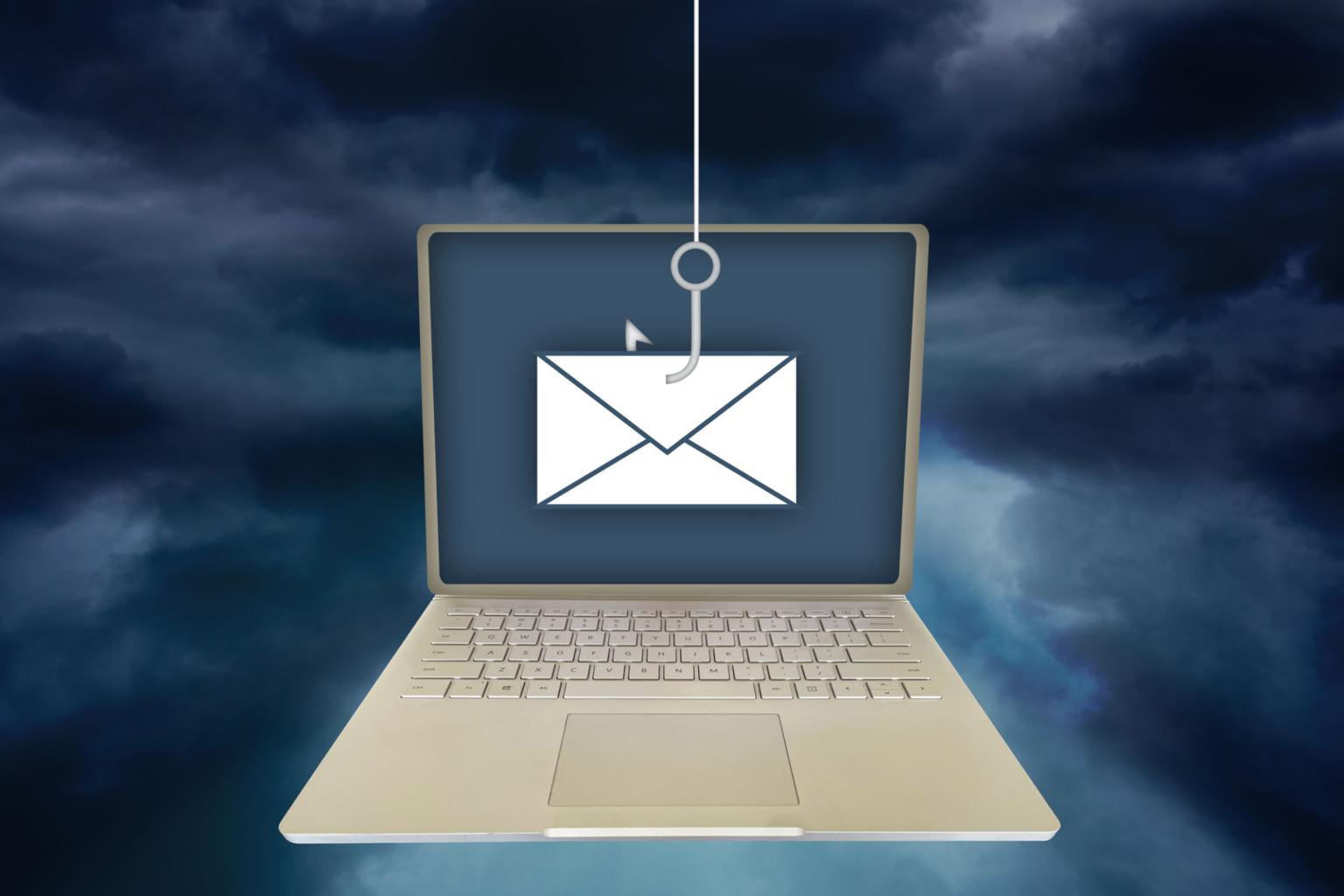
Email accounts are one of the most common targets for cybercriminals. Understanding how hackers hack email accounts can help you stay one step ahead and protect your personal data.
Hackers use a variety of techniques—from simple password guessing to advanced phishing attacks—to gain access to your account. In this guide, we’ll break down the most common methods and how they work.
Understanding how hackers hack email accounts is essential if you want to protect your personal data and avoid cyber attacks.
Table of Contents
1. Phishing Attacks
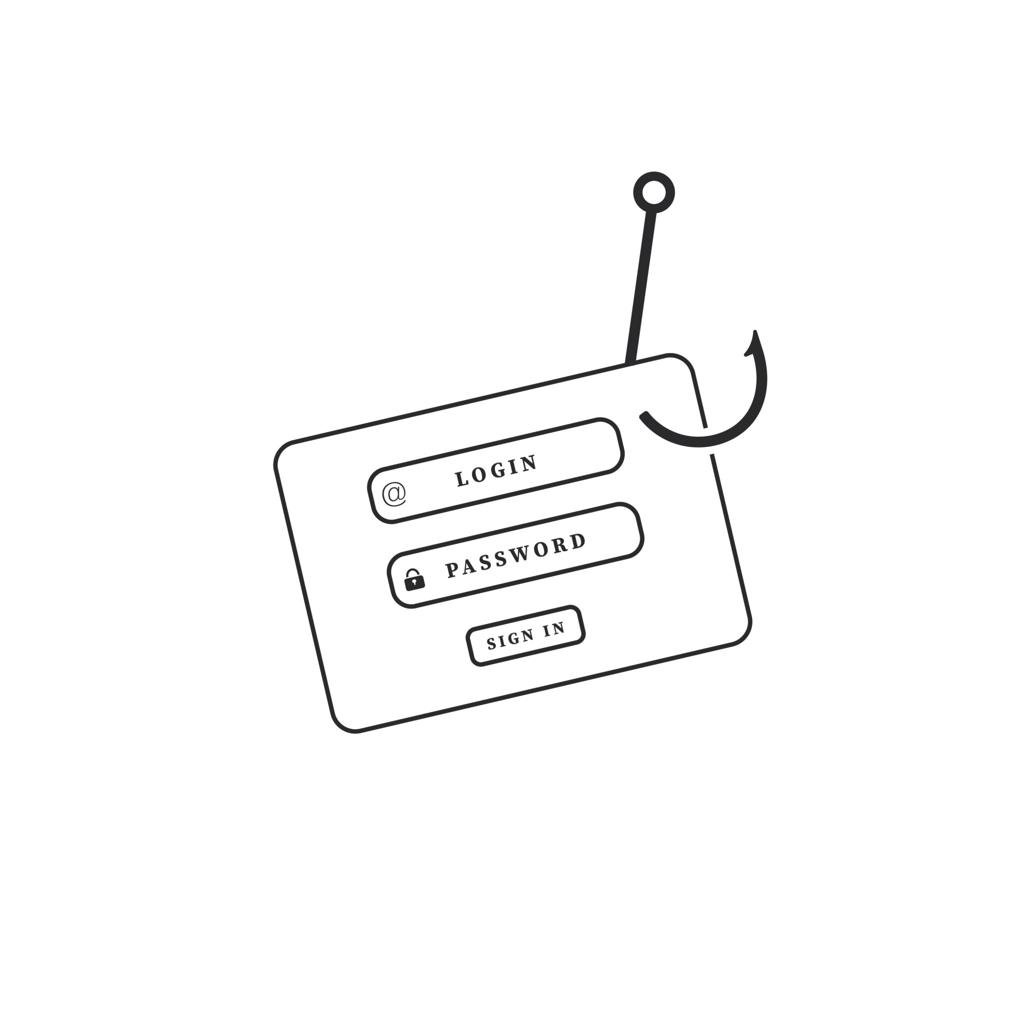
Phishing is one of the most popular ways hackers gain access to email accounts.
Hackers create fake login pages that look like legitimate websites. When you enter your email and password, your credentials are sent directly to the attacker.
This is one of the most common ways how hackers hack email accounts without needing advanced technical skills.
👉 Example:
- Fake Gmail login page
- “Your account is compromised” email
- Urgent password reset links
You may have seen signs of this in Signs Your Email Has Been Hacked
2. Credential Stuffing Attacks
Hackers use stolen usernames and passwords from previous data breaches to try logging into your account.
If you reuse passwords, this method becomes extremely effective.
This is explained in detail here: What Is Credential Stuffing?
3. Brute Force Attacks
In brute force attacks, hackers use automated tools to guess passwords by trying thousands or even millions of combinations.
Weak passwords like:
- 123456
- password
- your name
make this attack very easy.
Related: How Hackers Crack Weak Passwords
4. Malware and Keyloggers
Hackers can install malicious software on your device to track your activity.
A keylogger records:
- Every keystroke
- Login credentials
- Sensitive data
This allows attackers to steal your email password without you even knowing.
5. Social Engineering
Instead of hacking systems, attackers manipulate people.
They may:
- Pretend to be tech support
- Call you pretending to be your provider
- Ask for verification codes
This tricks users into giving away access.
6. Public Wi-Fi Attacks
Using unsecured public Wi-Fi can expose your data.
Hackers can intercept:
- Login details
- Emails
- Session data
Avoid logging into email accounts on public networks without protection.
7. SIM Swapping Attacks
In SIM swapping, hackers take control of your phone number.
Once they have access, they can:
- Receive OTP codes
- Reset your email password
- Bypass security checks
This is especially dangerous if you rely only on SMS-based security.
Signs Your Email Might Be Targeted
Even if your account isn’t fully hacked yet, you might notice:
- Unusual login alerts
- Password reset emails you didn’t request
- Suspicious activity
Learn more: Signs Your Email Has Been Hacked
How to Protect Yourself
Understanding how hackers hack email accounts is only the first step—protection is key.
✅ Use Strong Passwords
Avoid common passwords and use a mix of characters.
✅ Enable Two-Factor Authentication
➡️ What Is Two-Factor Authentication (2FA)?
✅ Avoid Suspicious Links
Never click unknown links in emails.
✅ Keep Devices Secure
Install antivirus and keep software updated.
✅ Don’t Reuse Passwords
Each account should have a unique password.
According to FTC phishing guidelines, you should always verify suspicious emails before clicking links.
What to Do If You’re Hacked
If you believe your account is compromised:
Follow this guide: Recover Hacked Email Account in 7 Steps
Final Thoughts
Cybercriminals are constantly evolving their techniques, but understanding how hackers hack email accounts gives you a strong advantage.
By staying informed and applying basic security practices, you can significantly reduce your risk.
Learning how hackers hack email accounts helps you stay alert and prevent unauthorized access in the future.
To stay safe from cyber threats, read our complete guide on how to protect your email account from hackers, where we cover proven strategies, tools, and best practices.
FAQ
How do hackers get access to email accounts?
They use phishing, malware, password attacks, and social engineering to steal login credentials.
Can hackers access my email without a password?
Yes, through phishing, malware, or session hijacking.
Is 2FA enough to stop hackers?
It greatly improves security, but combining it with strong passwords and awareness is best.
Leave a Reply