Category: Online Privacy
-

Introduction If you use Gmail daily (and let’s be honest—most of us do), your account holds a lot more than just emails. It’s often linked to banking, social media, work tools, and personal data. That’s exactly why hackers target it. In this guide, you’ll learn how to secure Gmail account from hackers using simple, proven…
-
Introduction Your email account is the gateway to your digital life. From banking to social media, everything is connected to it. That’s why understanding how to protect your email account from hackers is more important than ever. Cybercriminals use techniques like phishing, malware, and password attacks to gain access. In this complete guide, you’ll learn…
-

Introduction Email accounts are one of the most common targets for cybercriminals. Understanding how hackers hack email accounts can help you stay one step ahead and protect your personal data. Hackers use a variety of techniques—from simple password guessing to advanced phishing attacks—to gain access to your account. In this guide, we’ll break down the…
-
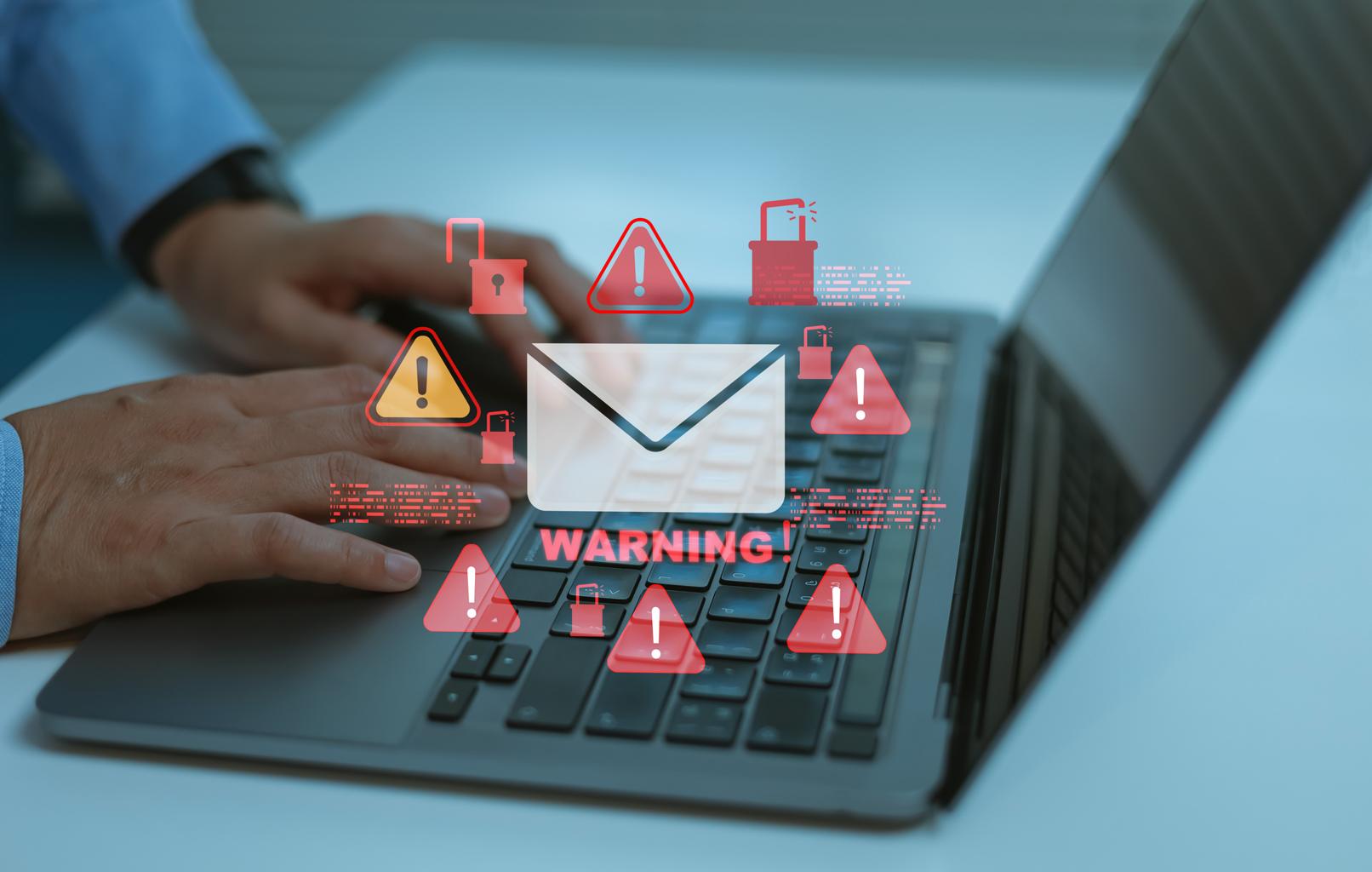
Introduction Recover hacked email account issues can be stressful, especially when you lose access to important messages and linked accounts. Email accounts are often targeted by hackers because they provide access to personal data, banking, and social media. If you act quickly, you can recover your account and prevent further damage. In this guide, you’ll…
-
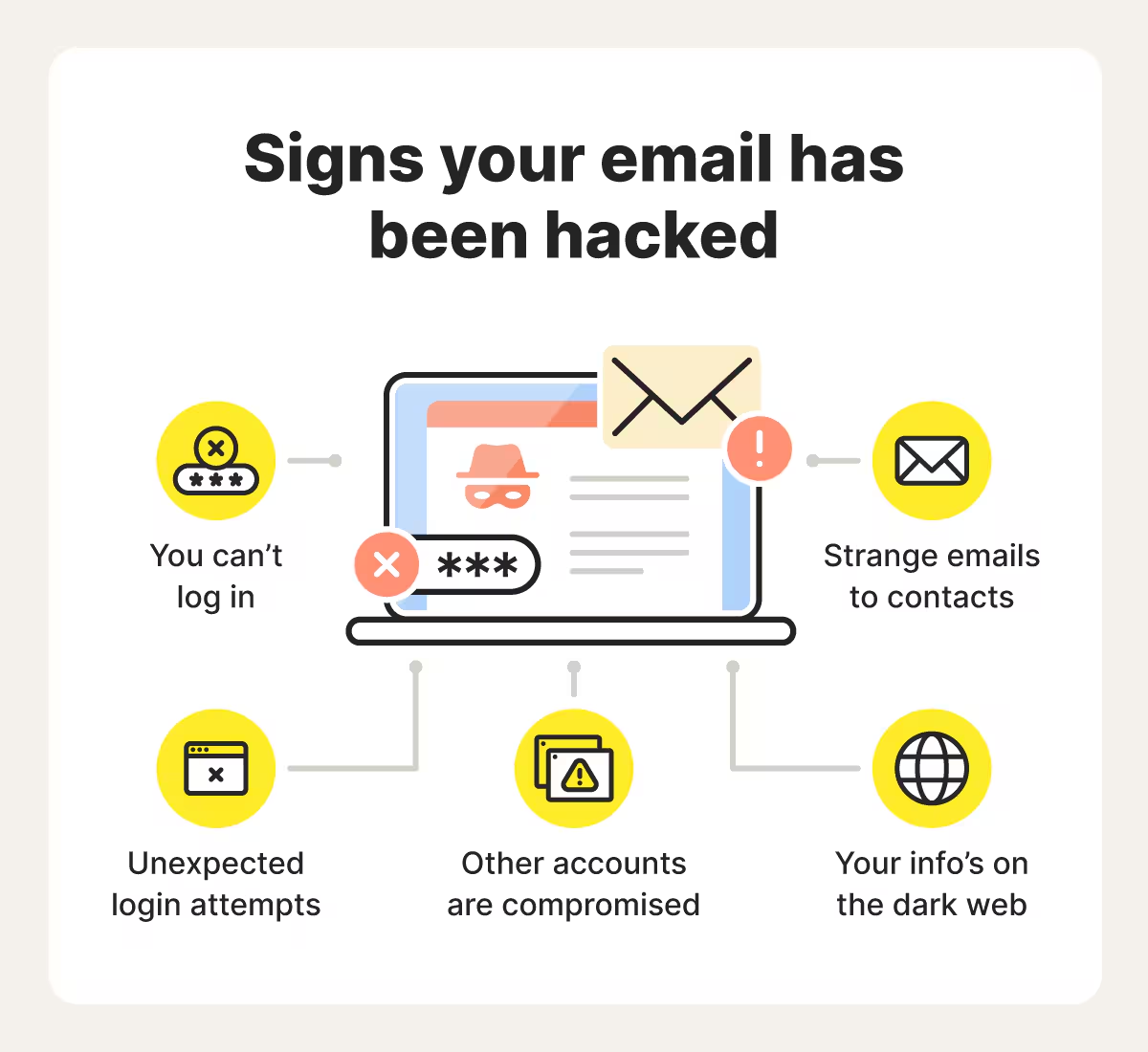
Introduction Signs your email has been hacked are often easy to miss at first, but ignoring them can lead to serious security risks. Your email account is the gateway to your online identity, including banking, social media, and personal data. Hackers target email accounts to reset passwords, steal sensitive information, and launch further attacks. Recognizing…
-

Two-factor authentication (2FA) is a security method that requires two forms of verification before you can access an account—typically your password and a one-time code sent to your phone or generated by an app. It adds an extra layer of protection, making it much harder for hackers to break into your accounts even if they…
-
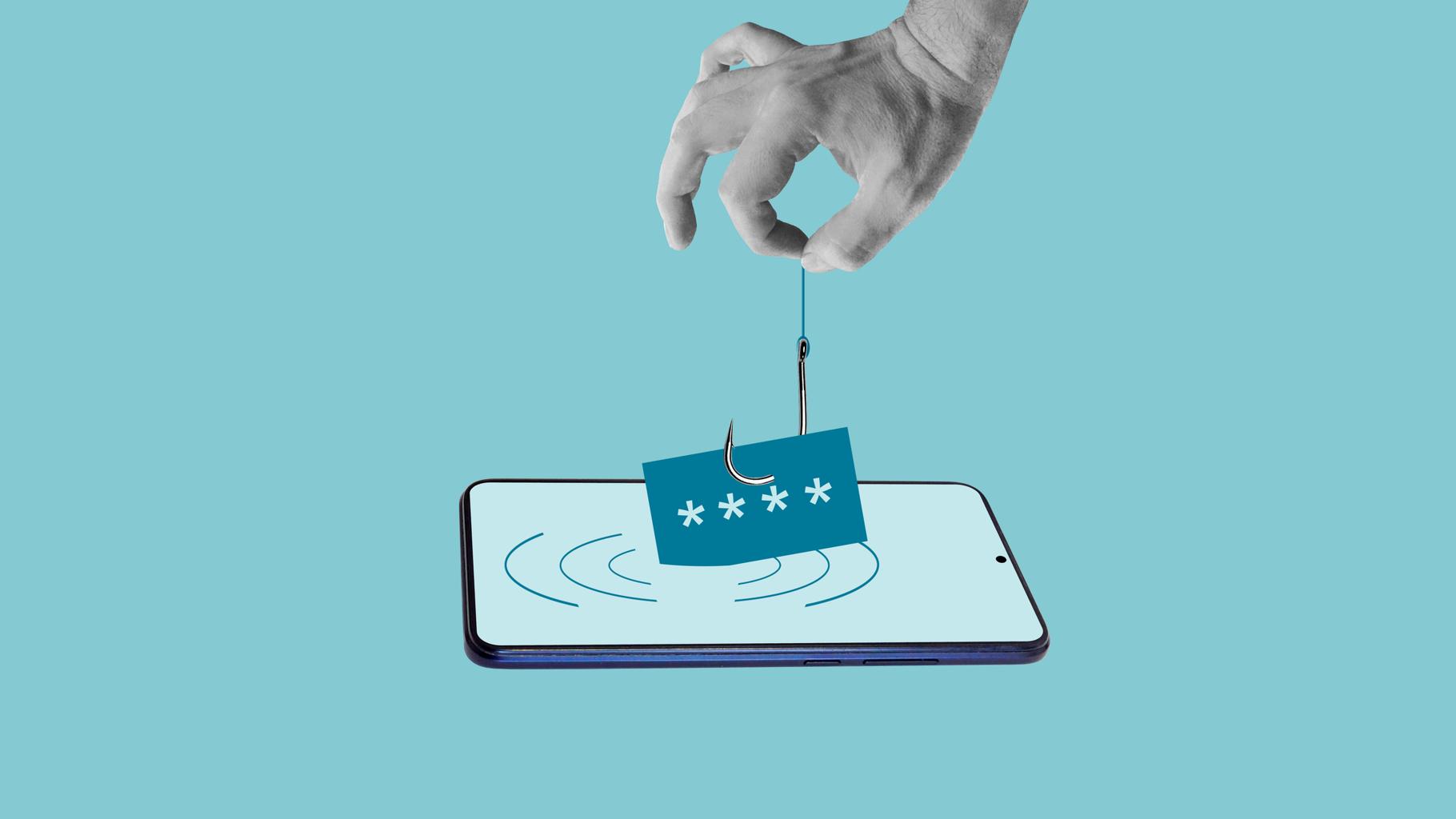
Introduction What is credential stuffing? Credential stuffing is a cyberattack where hackers use stolen usernames and passwords from data breaches to try logging into many accounts automatically. Credential stuffing is a type of cyberattack where hackers use stolen usernames and passwords to gain unauthorized access to online accounts. Because many people reuse the same login…
-
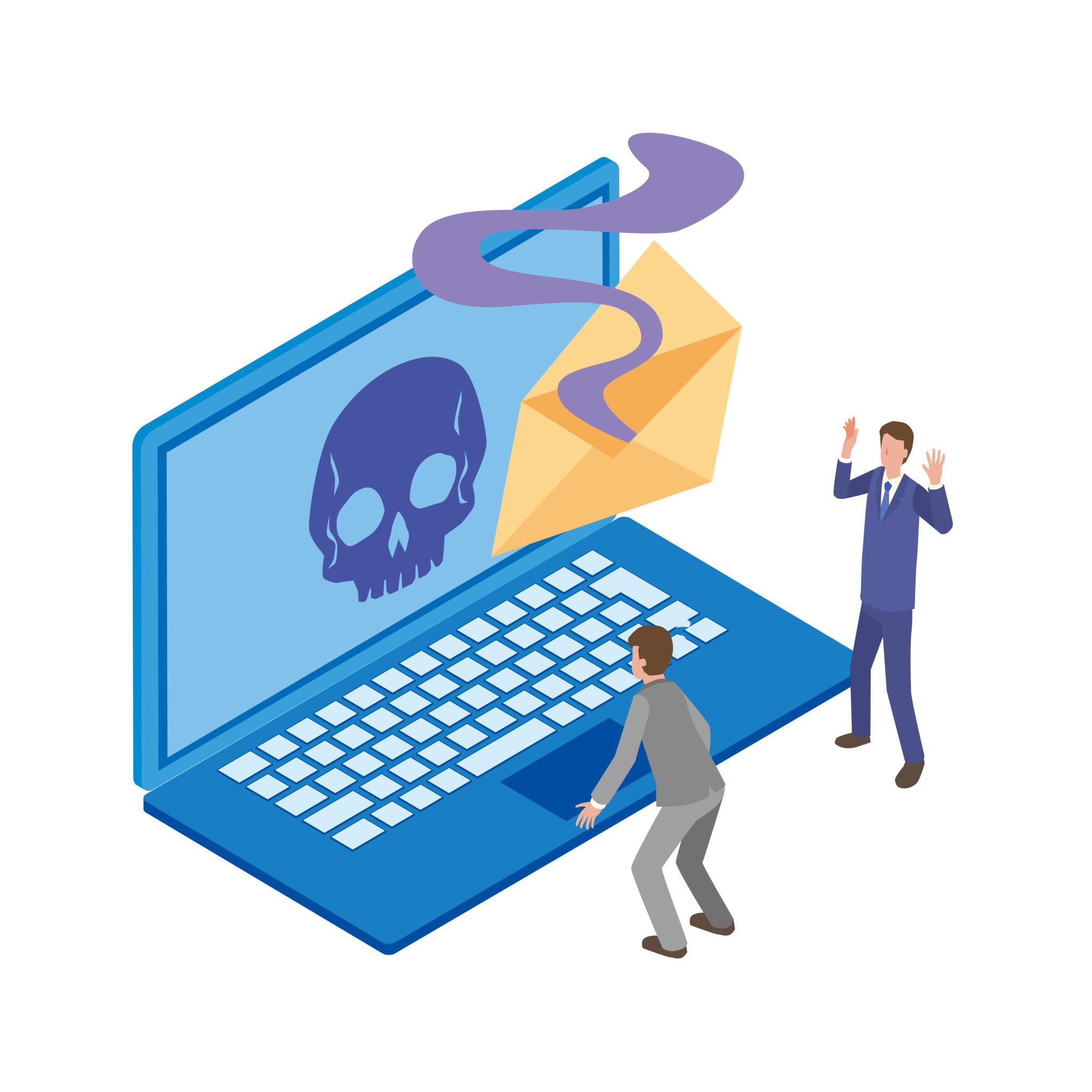
Many cybersecurity threats rely on hidden software that allows attackers to control devices remotely. One of the most dangerous types of malicious software is known as a Remote Access Trojan (RAT). So, what is Remote Access Trojan (RAT) malware? A Remote Access Trojan is a type of malware that allows hackers to secretly access and…
-
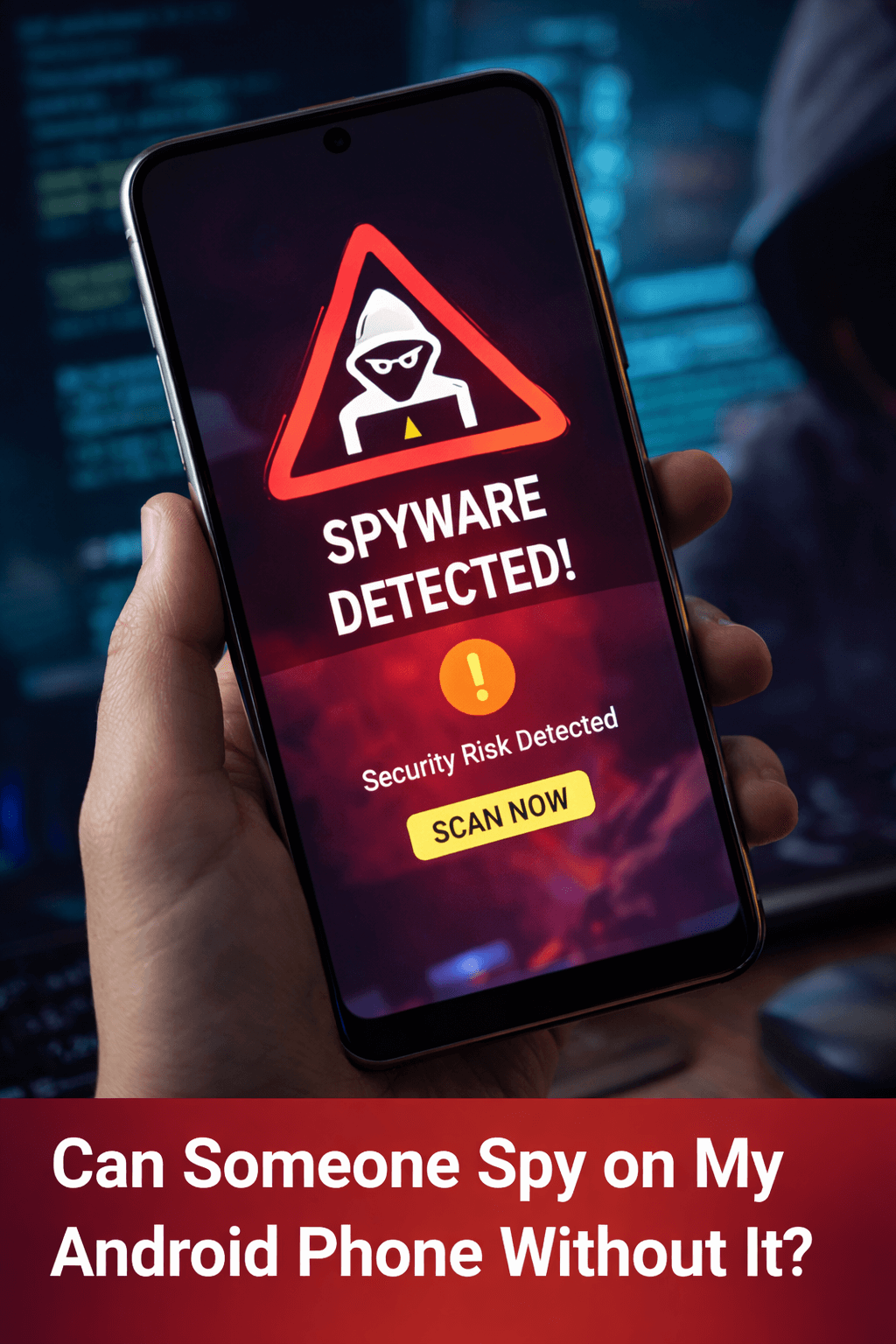
Introduction Many people worry about their smartphone privacy and ask the same question: can someone spy on my Android phone without touching it? With the rise of spyware apps and remote monitoring tools, this concern is understandable. Spyware can secretly track your phone activity, including messages, calls, location, and browsing history. In some cases, attackers…
-

Smartphones hold nearly every detail of our lives — messages, photos, banking apps, passwords, and even private conversations. If someone installs hidden spy apps on Android devices, they can silently monitor calls, read texts, track location, and even activate your microphone. The scary part? Most spyware operates invisibly. If you’re worried your Android device might…